
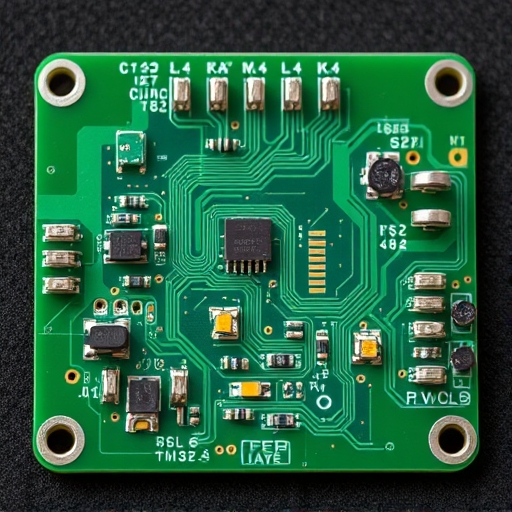
PCB Boards
PCB (Printed Circuit Board) boards are thin, flat substrates made of fiberglass or composite materials that hold and connect electronic components using conductive copper pathways. They are the backbone of nearly all modern electronic devices, from smartphones and computers to home appliances and automotive systems. PCBs enable compact, reliable circuitry by precisely routing electrical signals between resistors, capacitors, chips, and other components. They are manufactured using photolithography and etching techniques to create intricate patterns with high accuracy. PCBs come in single-layer, double-layer, or multi-layer configurations depending on complexity. Modern designs often include surface-mount technology for smaller, more efficient assemblies. PCBs are essential for innovation in electronics, supporting advancements in automation, communication, and computing. They are designed with environmental considerations in mind, with lead-free solder and recyclable materials becoming standard in responsible manufacturing.